
Job Overview
Location: Whitby, Ontario
Structure: Detached two-storey building used as a commercial dental office
Problem: Mouse activity reported in kitchen and attic areas
Service: Mouse treatment and structural exclusion
Visits: 3
Summary
We were called to address ongoing mouse activity inside a commercial dental office operating out of a detached two-storey structure in Whitby. The service involved an initial inspection and treatment, followed by a comprehensive exclusion program after continued activity was reported. A final visit confirmed that the building was fully sealed and that no further mouse activity was present.
Background / Property Context
The property is a brick-clad, two-storey structure with multiple utility penetrations, soffit transitions, and exterior vents. As a commercial dental office, maintaining a pest-free interior environment was critical, particularly in staff kitchen areas and upper attic spaces.
Customer Concern
The occupant reported signs consistent with mouse activity inside the building, including evidence in the kitchen area and concerns about possible attic involvement. The customer requested a professional inspection and treatment to address the issue and prevent recurrence.
Inspection & Findings
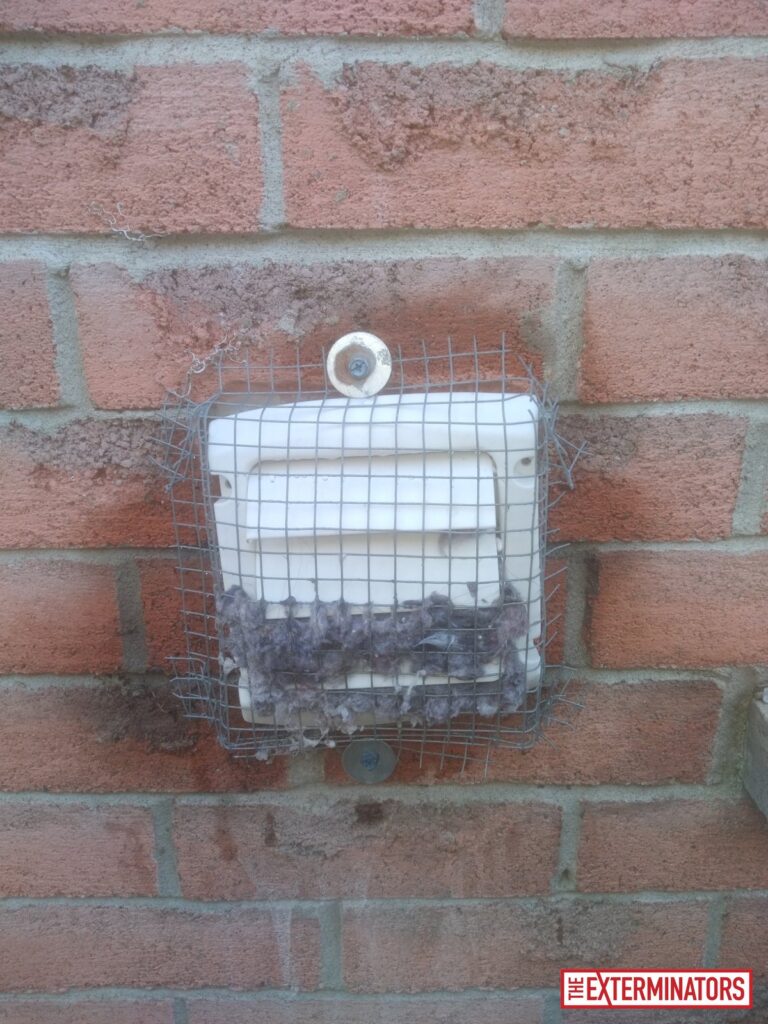
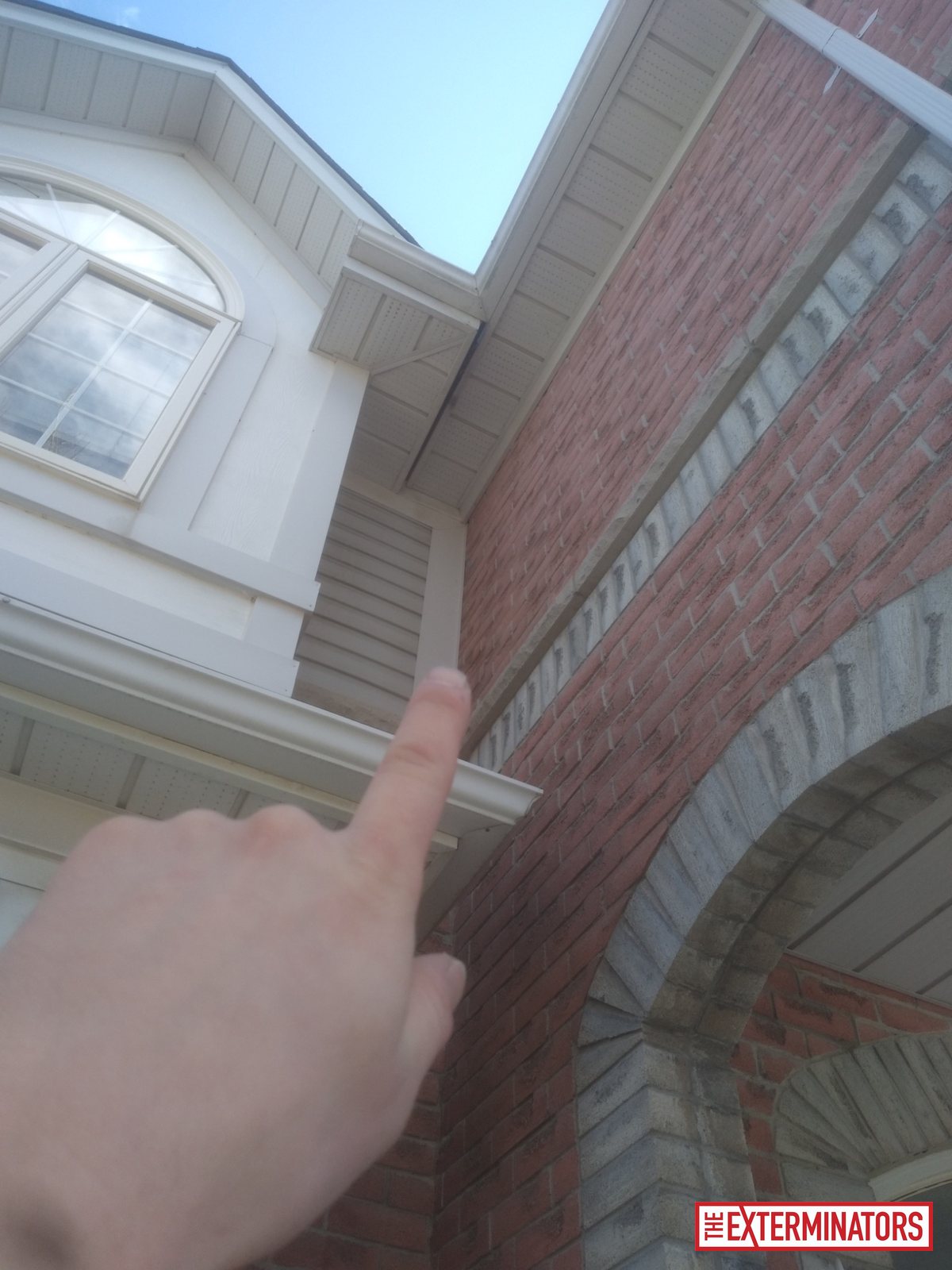
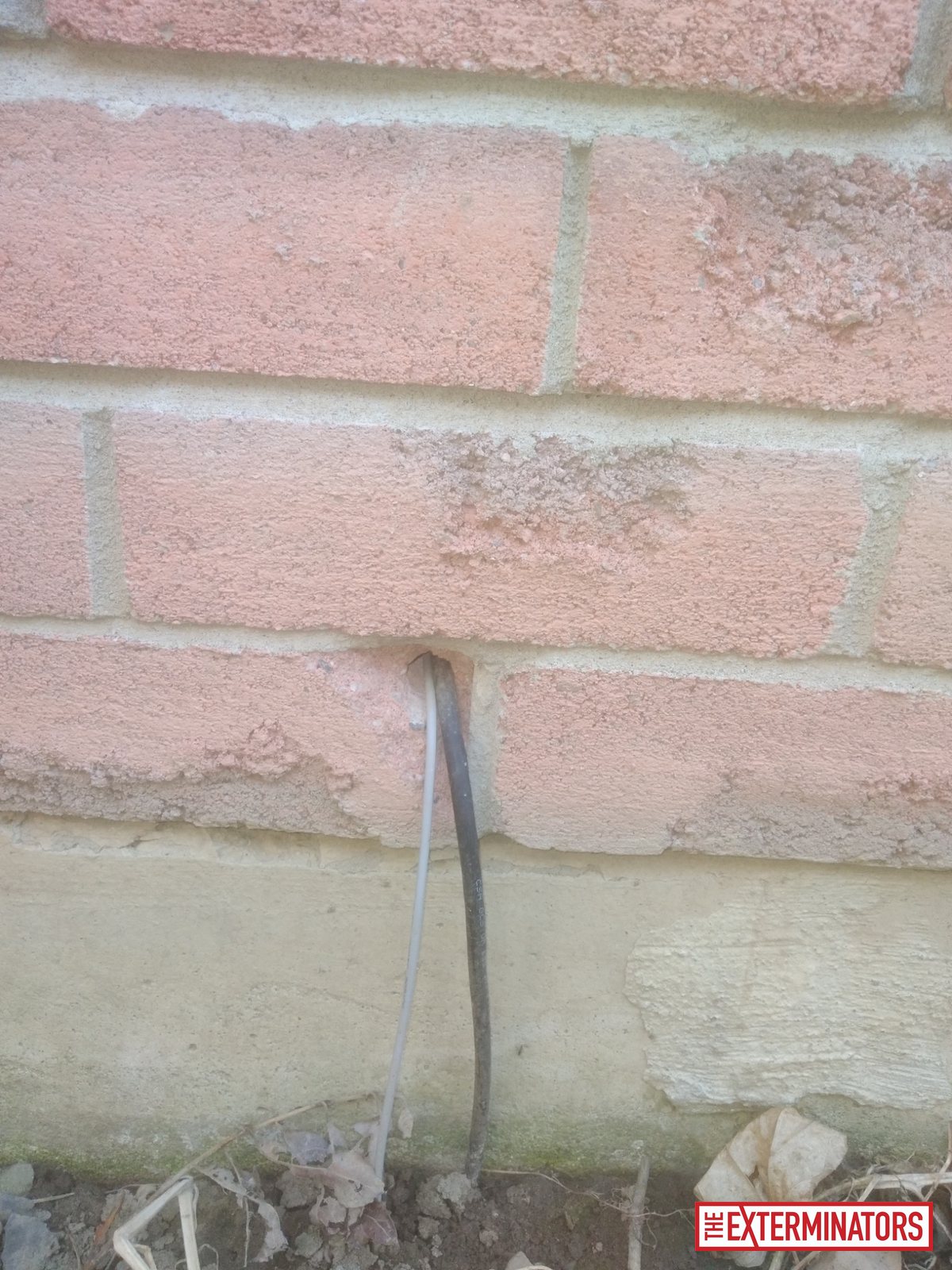
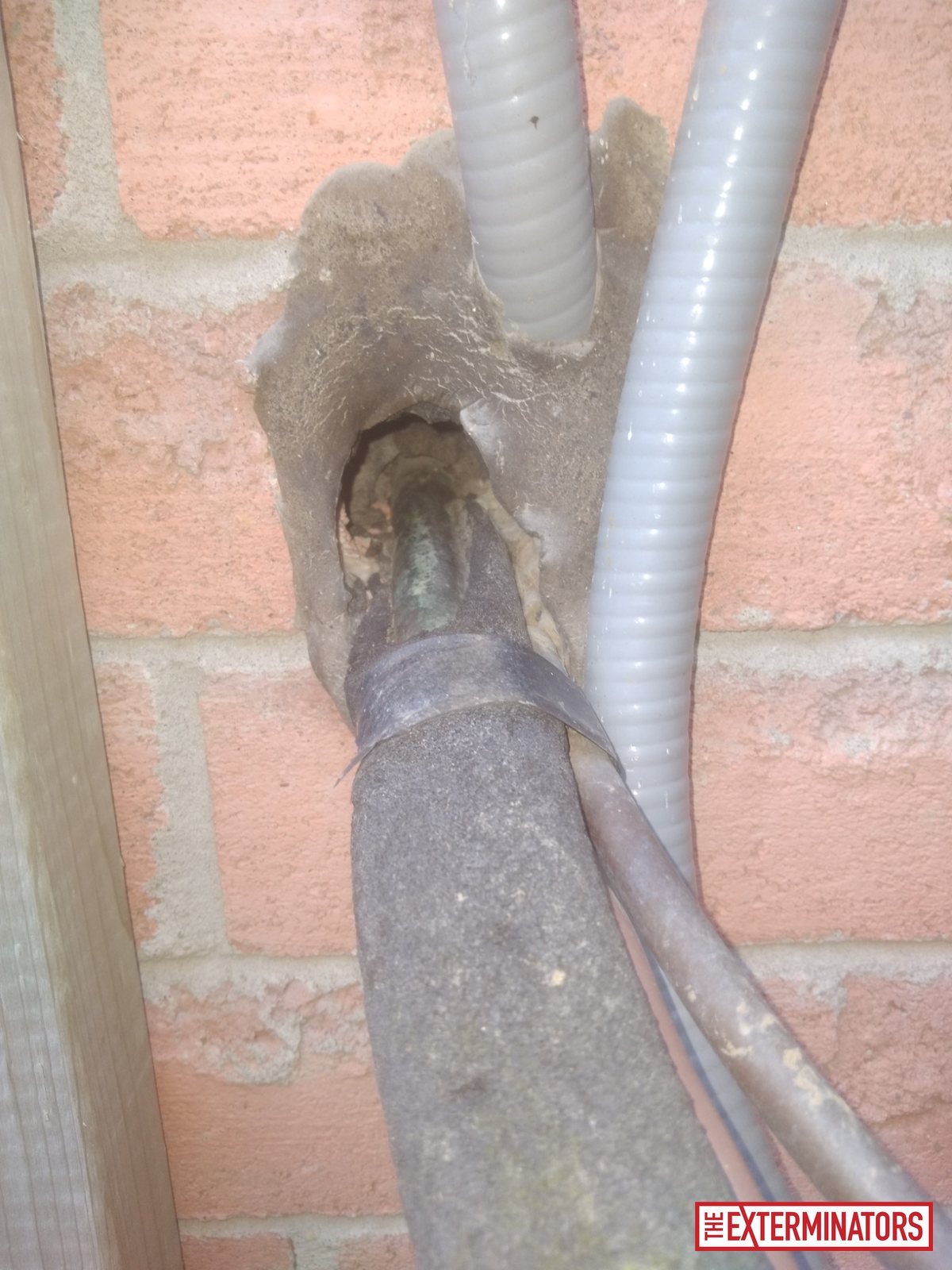
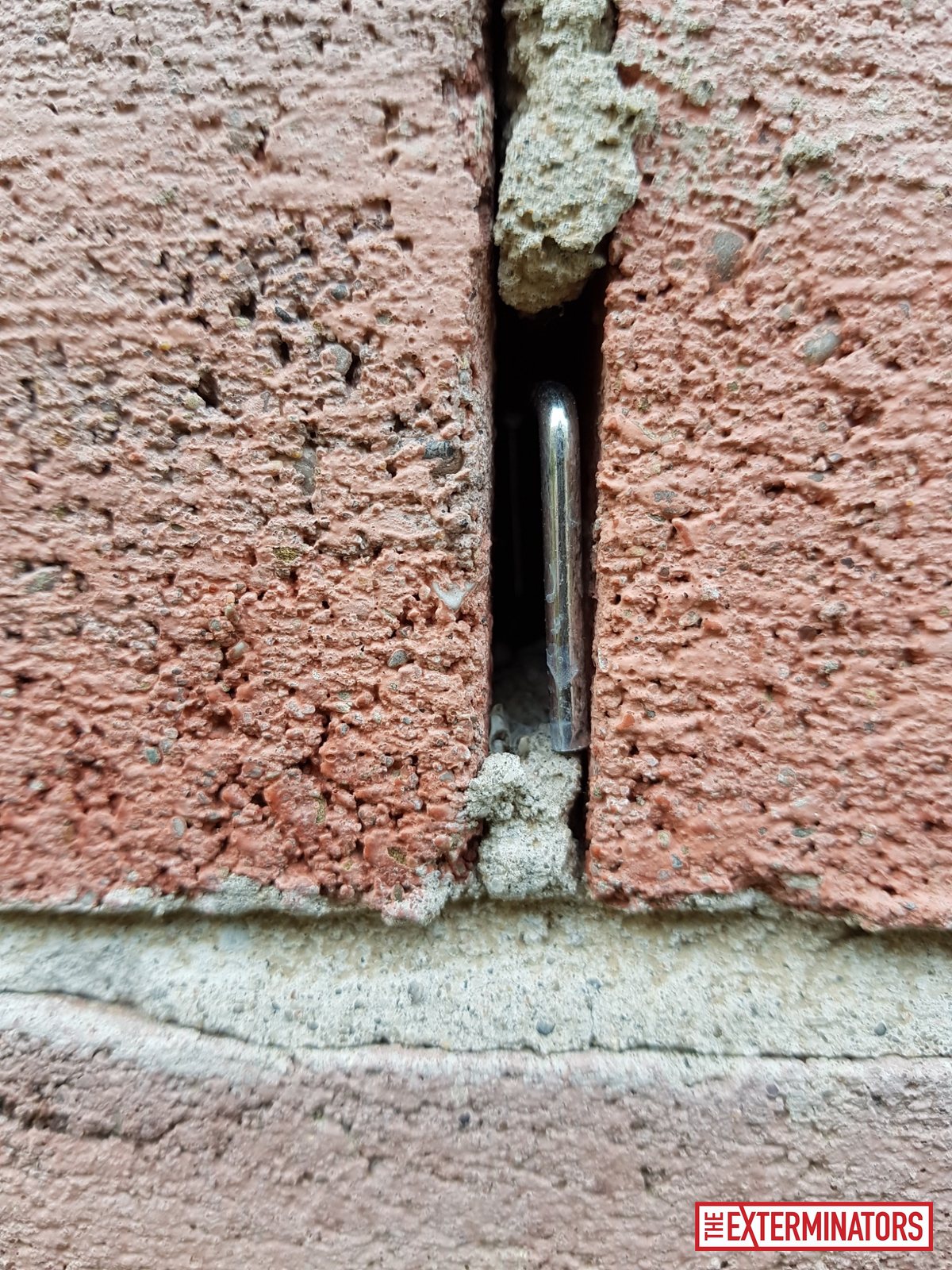
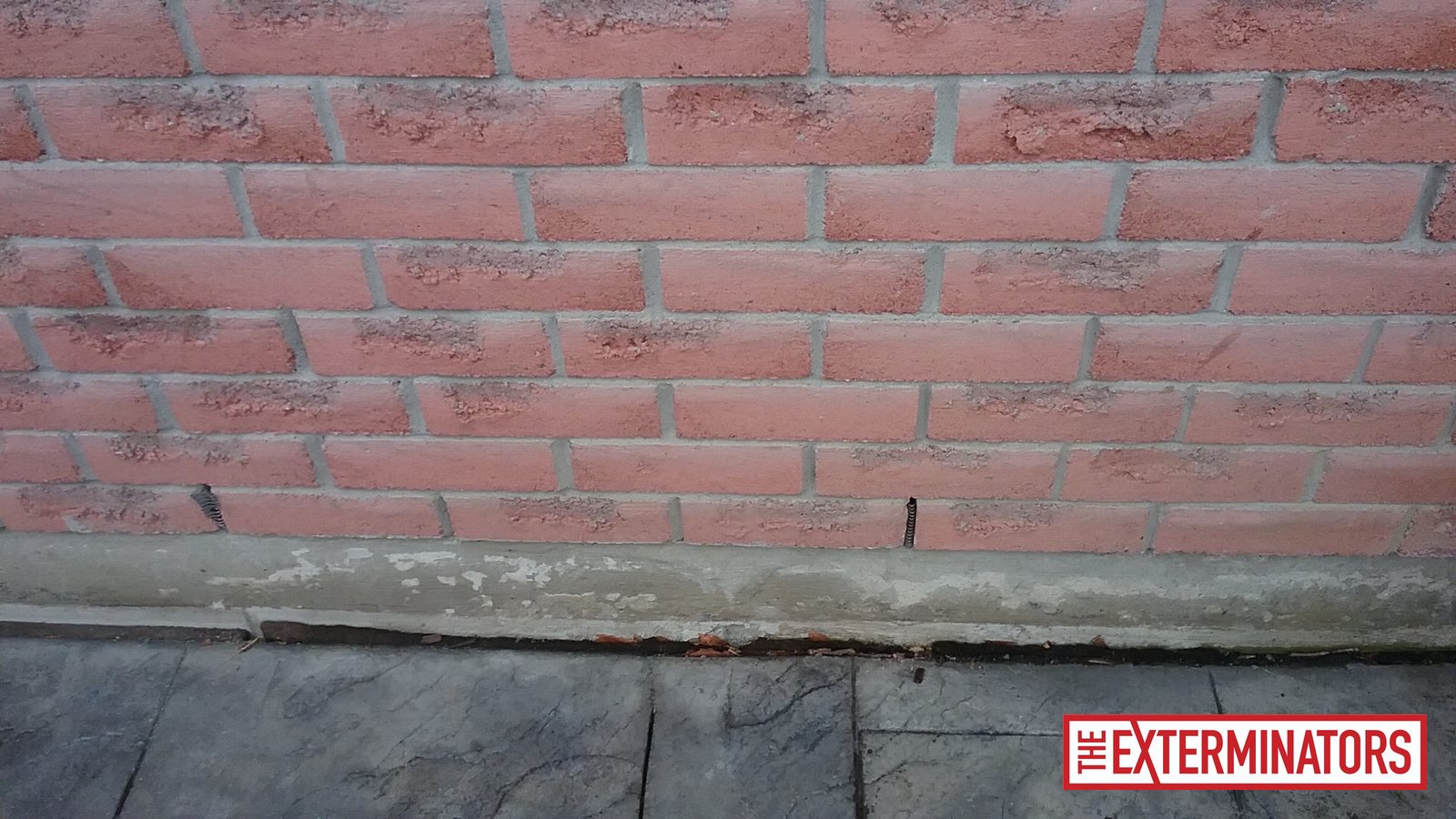
During the initial inspection, our technician identified multiple potential mouse entry points at ground level and along the upper structure. These included gaps around utility lines, unprotected weep vents, and long sections of soffit-to-wall transitions with visible openings. Exterior staining beneath soffit areas suggested prolonged exposure and potential access routes. Interior findings were consistent with active mouse presence.
Cause Analysis
Mouse activity was attributed to a combination of accessible exterior entry points and the building’s mixed residential-commercial construction features. Utility penetrations and unprotected vents provided direct access opportunities, while continuous soffit gaps allowed mice to travel along the structure undetected. Seasonal pressure and shelter availability likely contributed to repeated entry.
Treatment / Removal
On the first visit, we carried out a full inspection and initiated mouse treatment. Tamper-resistant bait stations were installed in areas of elevated activity. All rodent control work was performed by a licensed exterminator in accordance with Ontario Ministry of the Environment guidelines. At that time, exclusion work was recommended, but not approved on site.
Following continued activity, a second visit was scheduled. The customer renewed service coverage and approved a full exclusion plan to address the root causes of entry.
Exclusion & Repairs
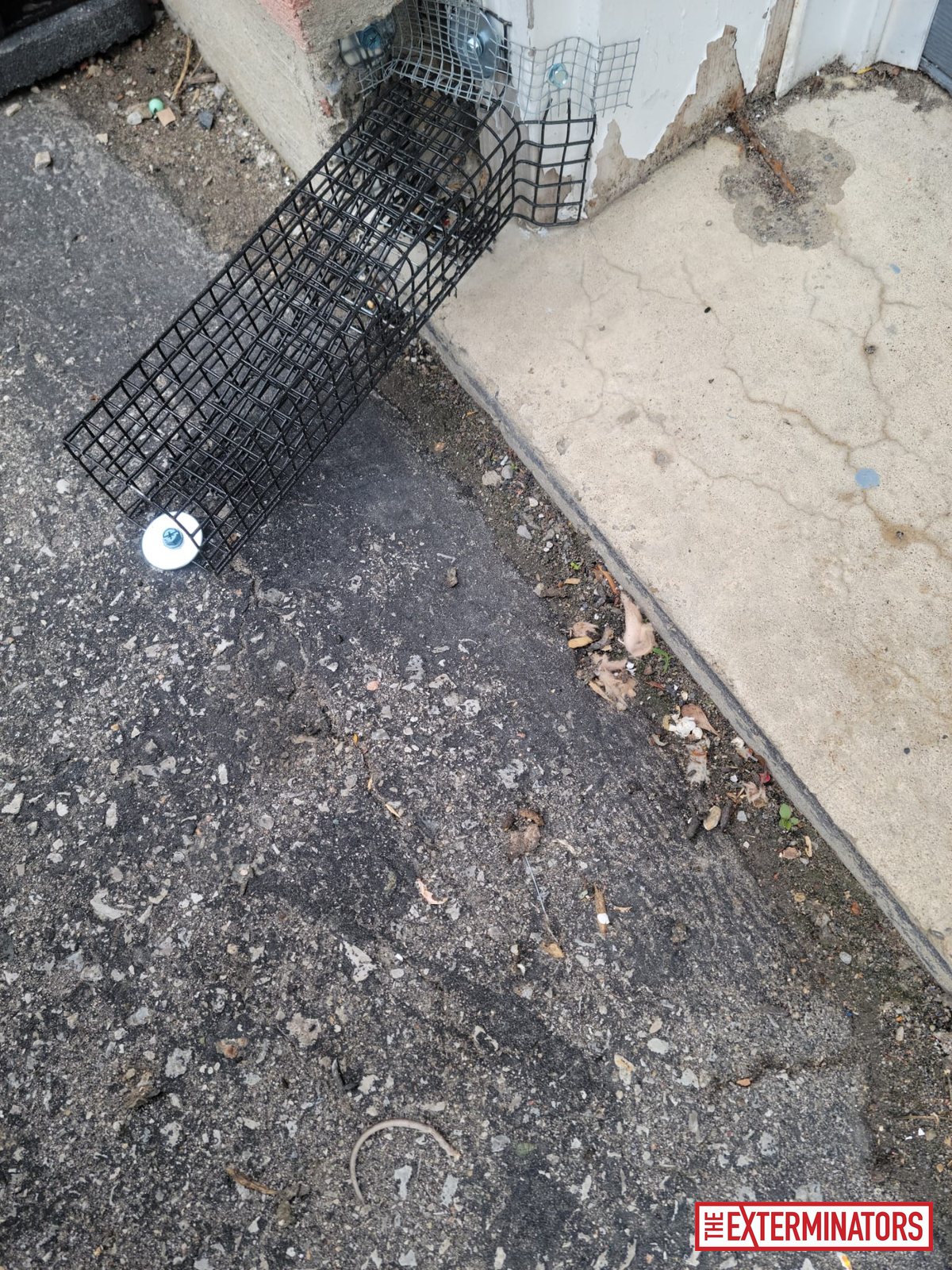
During the second visit, our team completed extensive exclusion work, including:
- Installation of a rat one-way door at an identified active entry point
- Sealing of ten weep vents using stainless steel vented inserts
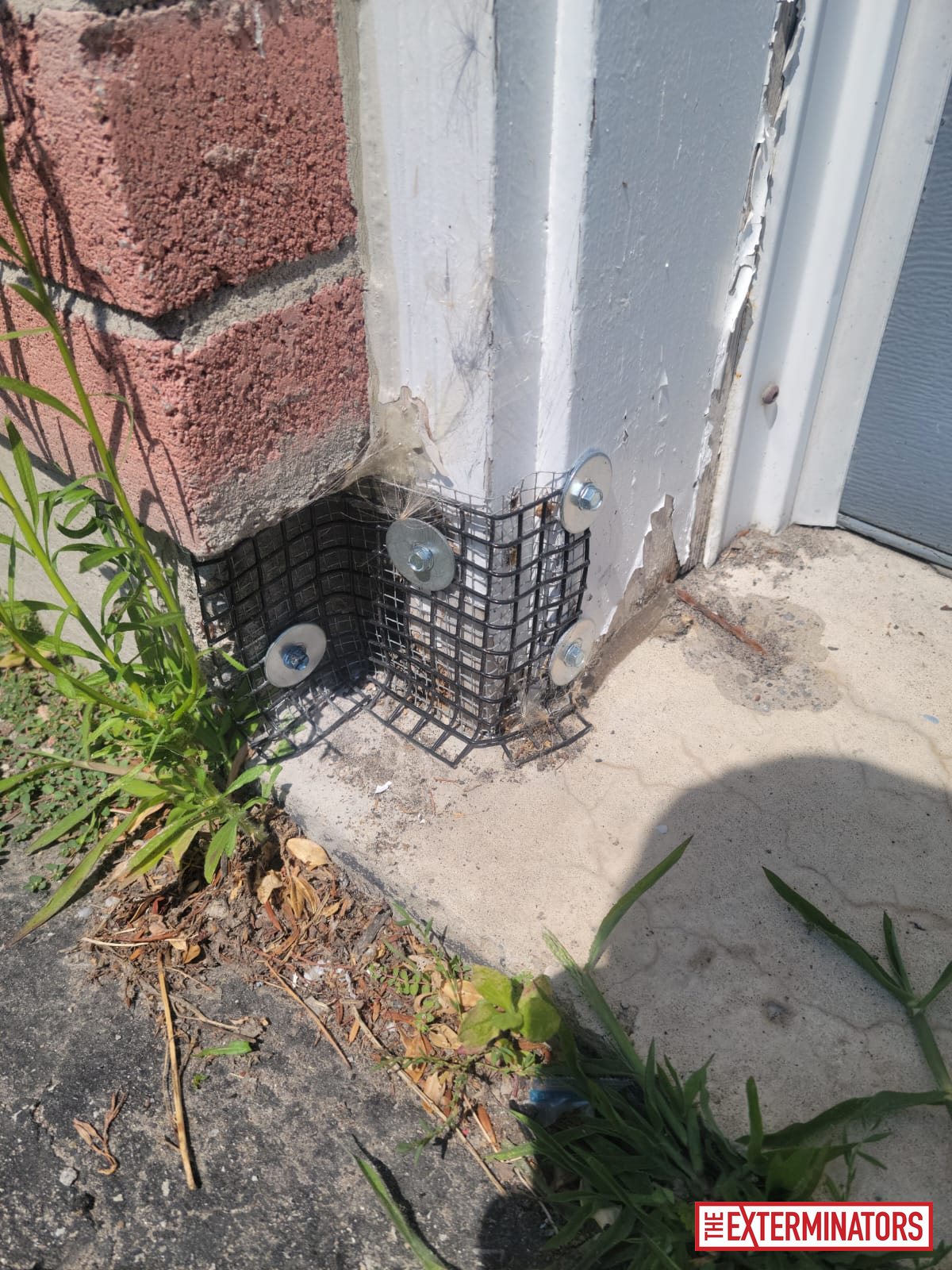
- Sealing of two utility line penetrations with galvanized steel mesh and professional-grade sealant
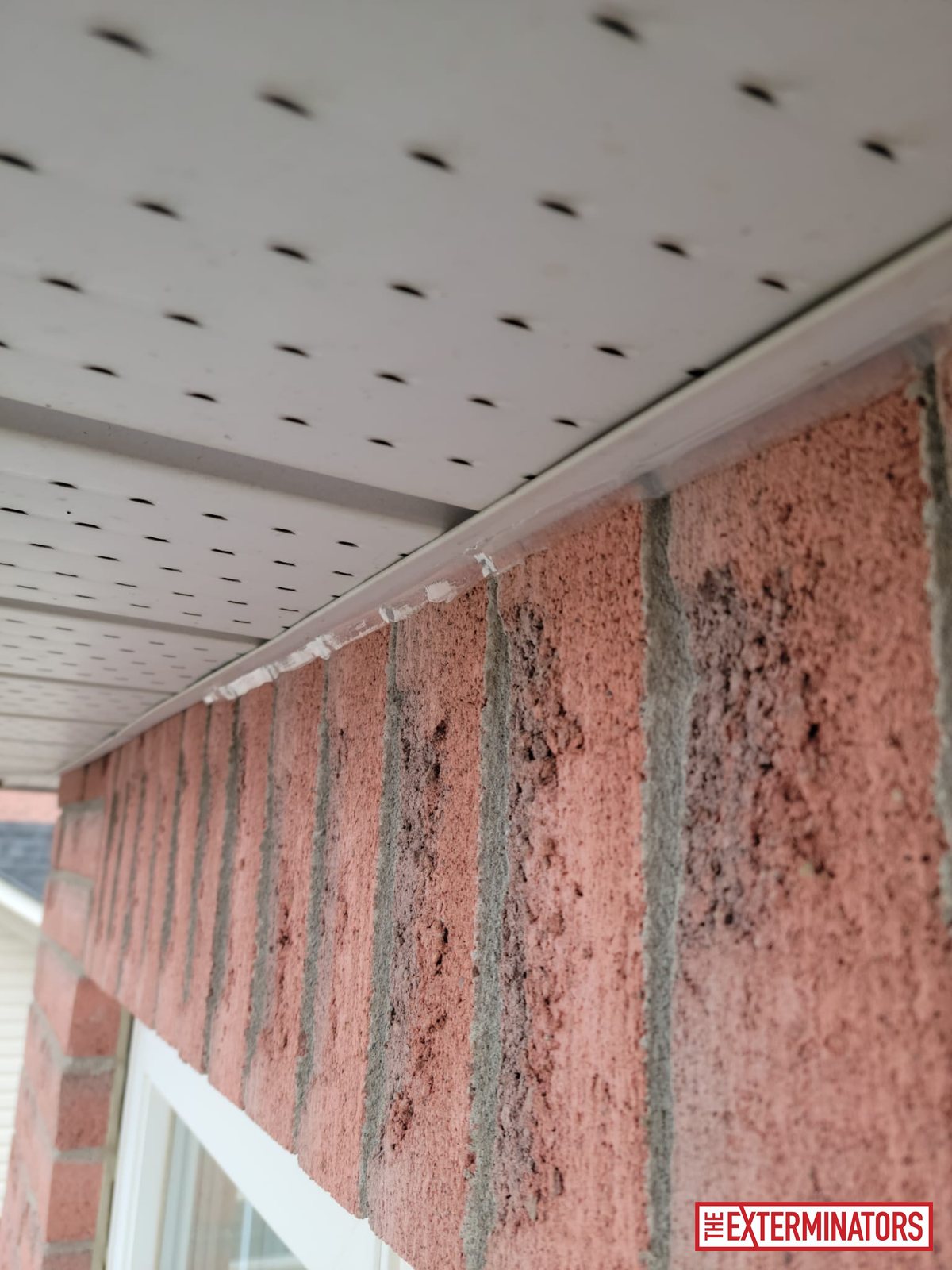
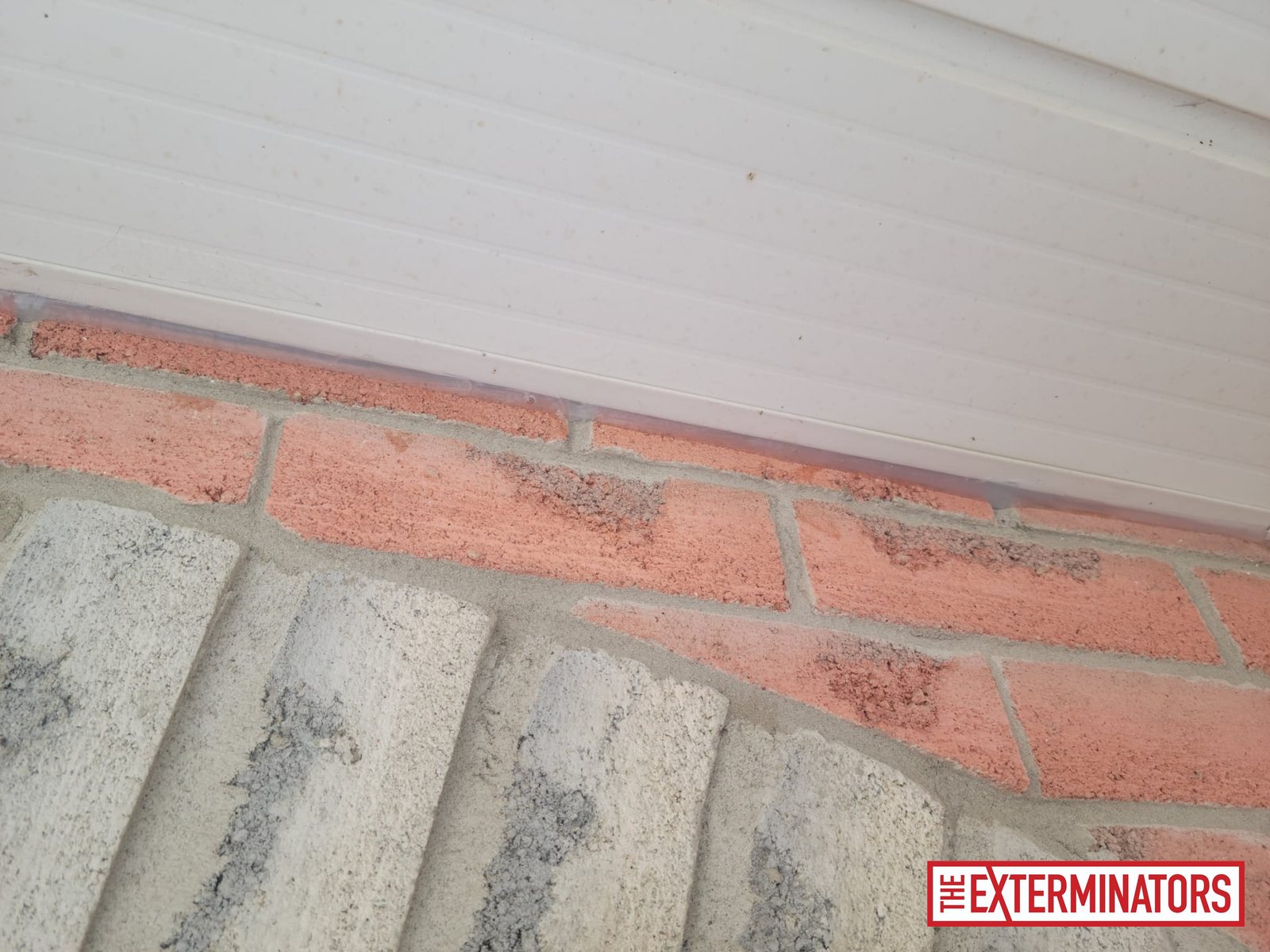
- Sealing approximately 171 linear feet of soffit-to-wall gaps using galvanized steel mesh and sealant
All work was completed to block access while maintaining proper ventilation and drainage.
Outcome & Confirmation
At the third visit, the customer reported no further mouse activity anywhere in the dental office. A full inspection confirmed that all previously identified entry points remained securely sealed and that the one-way door had served its purpose. No new signs of activity were observed, and the service was concluded successfully.
Technician Notes
Grant conducted the inspection, treatment, and follow-up work on this job. Entry points were extensive but clearly identifiable, allowing for a targeted exclusion strategy. Final confirmation showed the structure fully sealed with no ongoing activity reported.
This work was completed by our Whitby pest control team. For pest control inquiries in Whitby, contact 905-581-9985.